What Property Owners and Visitors Need to Know About Slip-and-Fall Liability
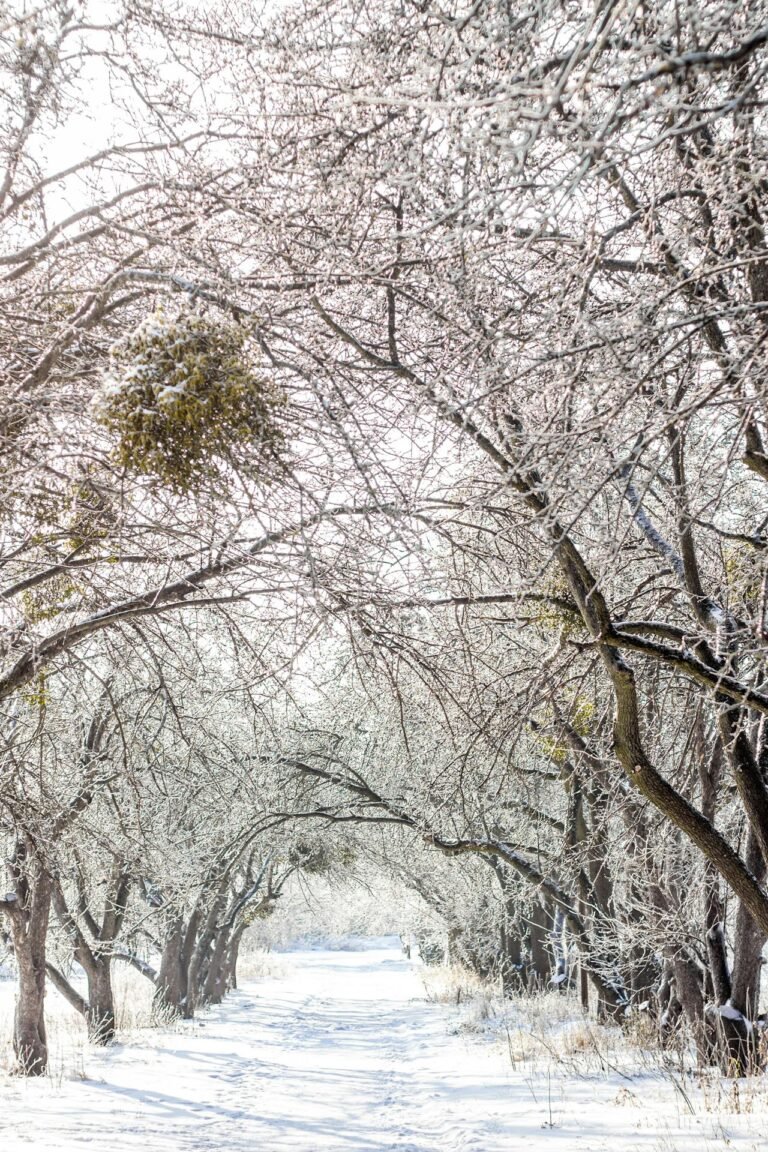
If you’ve lived in Columbia or anywhere in South Carolina for long, you know that serious snowfall is rare—but when it hits, it hits hard. When a foot of snow blankets our roads, parking lots, and sidewalks, life doesn’t just slow down. It gets dangerous.
And with danger comes a question we hear often at Proffitt & Cox: Who’s responsible when someone slips on ice and gets hurt?
The answer, like much of South Carolina law, depends on where you were, why you were there, and what the property owner knew—or should have known.
It Starts With Why You Were There
South Carolina still follows an older, status-based system for premises liability. Unlike some states that simply ask whether the property owner acted reasonably, our courts want to know: What was your reason for being on the property? This framework was reaffirmed in Sims v. Giles, 343 S.C. 708 (Ct. App. 2001), which remains a leading case on landowner liability in South Carolina.
If you were a customer at a business (what the law calls an invitee), you’re owed the highest duty of care. The business owner has an obligation to inspect the property, identify hazards, and take reasonable steps to protect you. If a grocery store stays open during a snowstorm, they’re expected to monitor their parking lot, salt their walkways, and put down mats inside where customers might track in slush.
If you were a social guest at someone’s home (a licensee), the homeowner’s duty is narrower. They don’t have to inspect for every possible hazard. But they do have to warn you about dangers they actually know about—like that broken step the snow is hiding.
The “Natural Accumulation” Rule: When Nature Gets a Pass
Here’s where it gets interesting for South Carolina specifically. Some states apply a ‘natural accumulation’ rule. South Carolina appellate courts have not expressly adopted that rule by name, and the analysis typically turns on reasonableness, notice, and whether the hazard was open and obvious. Courts adopting this rule generally recognize that property owners aren’t liable for injuries caused by the natural accumulation of snow and ice. The logic? Weather happens to everyone equally, and people are expected to appreciate the obvious risk of walking on snow.
But here’s the catch: once human intervention makes the condition worse, the analysis shifts, and an owner may face liability where property conditions or affirmative acts increase the risk beyond what the storm alone created.
Consider these scenarios where liability could attach:
• A broken gutter drips snowmelt onto a walkway, creating a dangerous ice patch
• A property owner shovels snow into a pile that melts across the sidewalk and refreezes
• Potholes in a parking lot collect water that freezes into hidden “black ice” traps
In each case, the property owner’s actions (or failure to maintain their property) transformed a natural hazard into something more dangerous. That’s when the “natural accumulation” defense disappears.
The Continuing Storm Doctrine: Timing Matters
Another important protection for property owners is the “continuing storm doctrine.” Simply put, owners generally don’t have to shovel while snow is still actively falling—it would be pointless, since any cleared area would immediately be covered again.
This issue came up in the federal case Kelly v. Waffle House, Inc., No. 6:2011cv03441 (D.S.C. 2012), where a plaintiff fell in an icy parking lot during an ongoing storm. While Waffle House argued for the “storm in progress” rule, the court noted that South Carolina state courts hadn’t explicitly adopted the rule by name, though they traditionally apply a general “reasonableness” standard. The court found that a jury must determine if the owner’s efforts during the storm were reasonable under the circumstances.
The takeaway? While the doctrine provides a strong defense, it’s not absolute immunity if a business stays open and takes no precautions.
Once the storm ends, the clock starts ticking. Property owners must act within a “reasonable time” to address hazardous conditions. What’s reasonable depends on factors like the severity of the storm, the availability of salt and plowing equipment, and whether the owner knew conditions were dangerous.
State of Emergency: How the Governor’s Orders Change the Game
When a major winter storm hits, the Governor will almost certainly declare a State of Emergency under S.C. Code § 25-1-440. This isn’t just symbolic—it has real legal consequences.
Under South Carolina law, emergency proclamations issued by the Governor have the “force and effect of law” for the duration of the emergency. Emergency orders can become relevant facts—e.g., whether travel was restricted, whether the business was encouraged/required to close, and whether the injured person’s choices were reasonable under the circumstances.
Additionally, S.C. Code § 25-9-120 provides immunity for property owners who voluntarily allow their property to be used without compensation as a public shelter during emergencies.
The 51% Rule: Your Own Choices Matter
South Carolina follows a “modified comparative negligence” system. That means if you’re found to be 51% or more at fault for your own injury, you recover nothing.
In snow and ice cases, defense attorneys routinely argue that the injured person made poor choices: wrong footwear, taking a shortcut through a snowdrift, looking at their phone instead of watching where they walked, or ignoring warning signs. These factors can significantly reduce—or even eliminate—any recovery.
That’s why having experienced legal counsel matters. At Proffitt & Cox, we know how to investigate these cases thoroughly—gathering weather records, photographing the scene before conditions change, and building a case that accounts for these defenses.
What This Means for Columbia Residents
While South Carolina doesn’t have a statewide statute requiring property owners to clear sidewalks, the general duty to maintain reasonably safe premises still applies. Property owners—especially businesses—can be held liable if they fail to take reasonable precautions after a storm passes and hazardous conditions persist.
For visitors, the same principle applies: exercise ordinary care for your own safety. Use designated walkways, watch where you’re stepping, and don’t ignore obvious hazards.
The Bottom Line
Winter weather liability in South Carolina isn’t black and white. Property owners aren’t expected to defeat nature—but they’re not allowed to ignore it either. The law looks at what was reasonable under the circumstances: Did the owner take appropriate precautions? Did they make things worse? Did they follow state directives?
The cases that fall between these extremes are where experience matters most.
Injured in a Slip-and-Fall? We’re Here to Help.
If you or a loved one has been hurt due to dangerous conditions on someone else’s property—whether from snow, ice, or any other hazard—the Columbia personal injury attorneys at Proffitt & Cox, LLP are here to help. With over 45 years of combined experience representing injury victims throughout South Carolina, we understand how to navigate these complex cases.
We offer free consultations and handle injury cases on a contingency fee basis, which means you pay nothing unless we recover compensation for you.
Contact us today at (803) 834-7097 or visit proffittcox.com/contact to schedule your free consultation.
Disclaimer: This blog post is for informational purposes only and does not constitute legal advice. Every case is different, and the outcome depends on the specific facts and circumstances involved. If you have questions about your situation, please contact a qualified attorney.